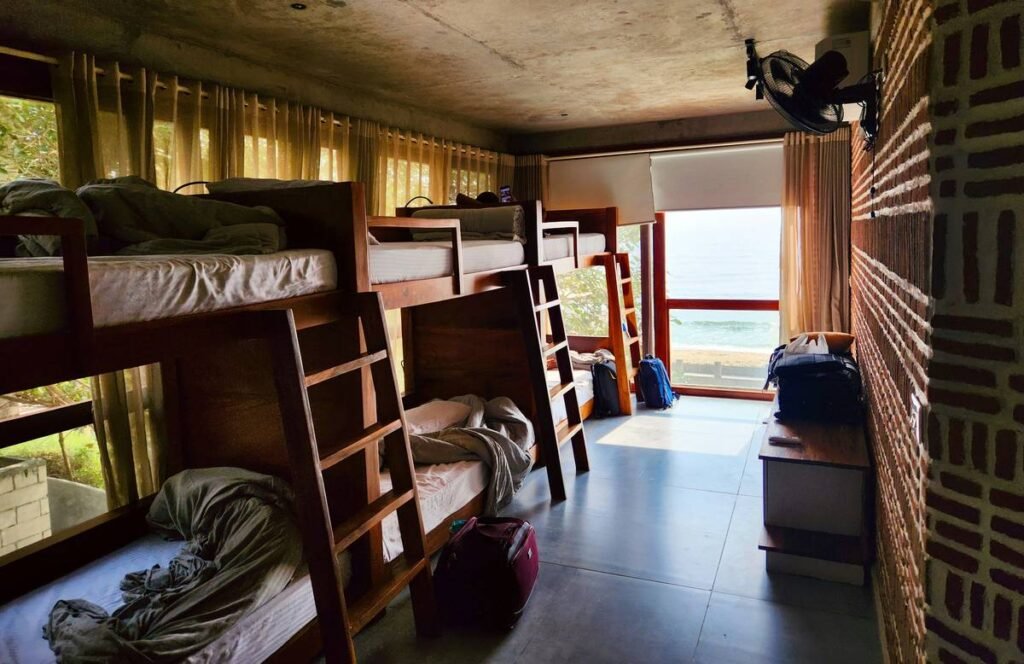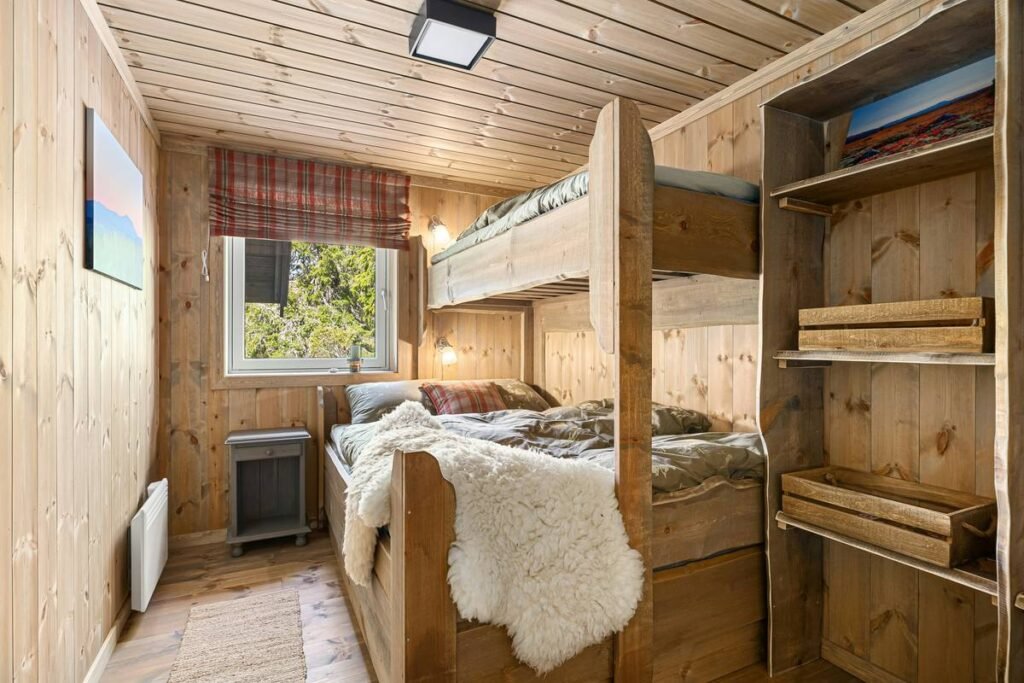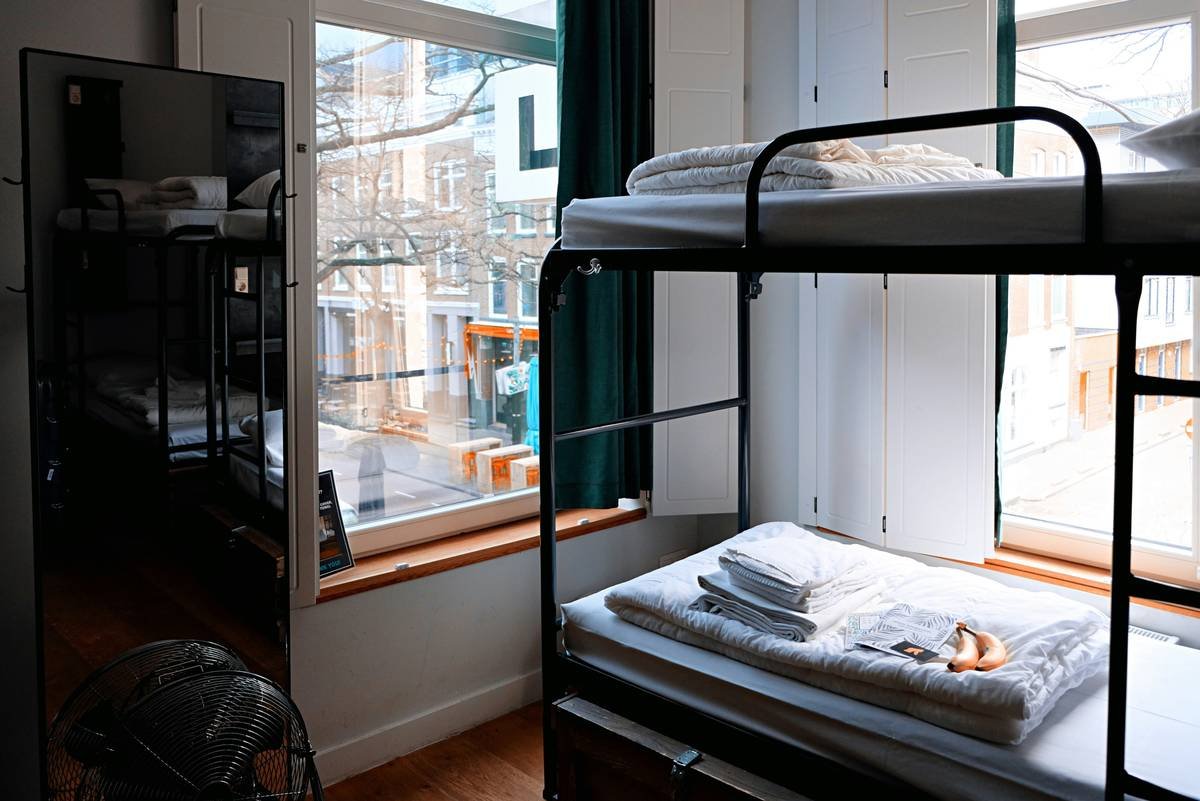
Ever tried squeezing two full-size mattresses into a 12×12 room without turning it into a Tetris nightmare? Yeah—good luck with that. Most bunk beds are built for kids and twins (pun intended), leaving adults, teens, or mixed-age siblings stuck with cramped quarters or wasted floor space.
If you’ve landed here, you’re likely wrestling with a real-world conundrum: how to house two people comfortably in one room without sacrificing comfort, style, or sanity. That’s where full size L shaped bunk beds step in—not just as furniture, but as architectural problem-solvers.
In this guide, you’ll discover:
- Why standard bunks fail adults—and why L-shaped designs fix it
- How to choose, measure, and install the right full size L shaped bunk bed
- Real homeowner experiences (including my own faceplant with clearance heights)
- Pet peeves no one warns you about (looking at you, “industrial chic” metal frames)
Table of Contents
- Why Full Size L Shaped Bunk Beds Solve Real Problems
- How to Choose & Install Your Full Size L Shaped Bunk Bed
- 5 Best Practices (and 1 Terrible Tip to Avoid)
- Real Homes, Real Results: Case Studies
- FAQs About Full Size L Shaped Bunk Beds
Key Takeaways
- Full size L shaped bunk beds maximize square footage by using vertical and corner space—ideal for dormers, basements, or small apartments.
- Minimum ceiling height should be 9 feet; ideal clearance between bunks is 36–42 inches for adult comfort.
- Solid wood (like birch or maple) or powder-coated steel outperforms particleboard in safety and longevity.
- Always anchor the bed to wall studs—CPSC data shows 36,000 bunk bed-related injuries annually, often due to instability.
- L-shaped = not just “cool design”—it creates usable floor space for desks, dressers, or even a yoga mat.
Why Do Full Size L Shaped Bunk Beds Even Exist?
Let’s be honest: most “bunk beds” sold online are glorified kid traps. They max out at twin or full-over-full—and even then, the bottom bunk scrapes your knees while the top feels like a coffin with views.
But real life isn’t tidy. You might have:
- A college student sharing a basement apartment with a sibling
- Grandkids visiting regularly (who’ve outgrown toddler beds but still need their own space)
- A tiny home or ADU where every inch counts
That’s where the L configuration shines. Instead of stacking vertically, one bed runs perpendicular—usually with a full on the bottom and another full tucked above at a 90-degree angle. The result? A footprint that hugs the corner, freeing up 60–70% of the room for actual living.
According to the American Institute of Architects (AIA), multi-functional furniture like L-shaped bunks increased by 28% in urban dwellings from 2020–2023. Why? Because micro-spaces demand macro-smart solutions.
How to Choose & Install Your Full Size L Shaped Bunk Bed (Without Regretting It)
What ceiling height do I actually need?
Optimist You: “My 8-foot ceilings will work!”
Grumpy You: “Only if you enjoy head-butting the top bunk at 2 a.m. while sleepwalking.”
Reality check: For full-size L bunks, aim for **minimum 8’6”**, but **9 feet is ideal**. Measure from floor to ceiling *after* flooring is installed. Don’t forget mattress thickness—add 6–8 inches to each bunk’s listed height.
Material matters more than you think
I once bought a “solid wood” L bunk online… only to realize the “wood” was veneer over MDF that warped after three humid summers. Lesson learned:
– ✅ Birch, maple, or oak: Kiln-dried, with mortise-and-tenon joints
– ✅ Powder-coated steel: Look for ≥14-gauge tubing and welded (not bolted) corners
– ❌ Particleboard or MDF: Fails CPSC strength tests under 250 lbs per bunk
Assembly isn’t IKEA-simple
Most full size L shaped bunk beds ship in 4–6 boxes and require 2+ adults + power drill + level. Pro tip: Anchor into wall studs using L-brackets—even if the manual says “optional.” Per the U.S. Consumer Product Safety Commission (CPSC), anchoring reduces tip-over risks by 74%.
5 Best Practices (and 1 Terrible Tip to Avoid)
- Measure twice, order once: Map your room digitally using RoomSketcher or even graph paper. Include door swings, outlets, and window casements.
- Prioritize guardrails: Top bunks must have rails ≥5” high on open sides (per ASTM F1427 standards). Bonus: Integrated LED strip lighting underneath = midnight bathroom runs without blinding your roommate.
- Stairs > ladders: For adults or mobility concerns, integrated staircases with storage drawers double as nightstands. Safer and sturdier.
- Match your aesthetic early: Rustic farmhouse? Go reclaimed wood with black iron accents. Modern minimalist? Sleek white oak with hidden joinery. Don’t retrofit style later.
- Check weight limits per bunk: Reputable brands list individual capacities (e.g., 400 lbs bottom, 300 lbs top). Never assume symmetry.
⚠️ Terrible Tip Alert: “Just skip the guardrail on the wall side—it’s blocked anyway.” Nope. Mattresses shift. People roll. Walls aren’t crash pads. Always install full perimeter protection.
Rant Time: Why Do Brands Lie About “Full Size”?
“Full” should mean 54” x 75”. But I’ve unboxed so-called “full” L bunks with 52” sleep surfaces. That’s “short full”—a dorm trick to cut costs. Before buying, email customer service: “What are the exact internal mattress dimensions?” If they hesitate, walk away.
Real Homes, Real Results: Case Studies
Case #1: Brooklyn Brownstone Guest Room (11’ x 10’)
Homeowner Sarah M. needed to host her adult son and his partner during visits. She installed a custom birch L bunk (full bottom, full top) with stairs and under-stair closet. Result? Room fits two full beds + armchair + luggage—without claustrophobia. “It’s the only way we keep family close without killing vibes,” she told me.
Case #2: Seattle Tiny Home (240 sq ft)
Designer Marco R. used a powder-coated steel L bunk with a Murphy desk beneath the bottom bed. During the day, the desk flips up; at night, both beds sleep comfortably. “Traditional bunks would’ve turned this into a closet with beds,” he noted.
Both cases confirm: L-shaped isn’t just functional—it enables lifestyles otherwise impossible in tight spaces.
FAQs About Full Size L Shaped Bunk Beds
Are full size L shaped bunk beds safe for adults?
Yes—if built to ASTM F1427 standards, anchored properly, and used within weight limits. Over 60% of modern L bunks are rated for 300–400 lbs per sleeping surface (source: Furniture Today, 2023).
Can I convert a regular bunk into an L shape?
Not safely. L configurations require engineered stress points at the corner joint. DIY hacks risk catastrophic failure. Always buy purpose-built units.
Do these work in rooms with sloped ceilings?
Often yes—especially if the top bunk aligns with the higher wall section. Measure the lowest point above the top mattress; you need ≥30” clearance to sit upright.
What’s the average cost?
$800–$2,500. Budget options use composite woods; premium models feature sustainably harvested hardwoods and hand-finished joinery. Avoid anything under $600—it likely cuts critical safety corners.
Conclusion
Full size L shaped bunk beds aren’t a compromise—they’re a clever hack for modern living. Whether you’re navigating multigenerational housing, tiny homes, or frequent guests, this layout delivers comfort without crowding.
Remember: prioritize ceiling height, material integrity, and anchoring. Ignore “almost full” scams. And never skip guardrails—even against walls.
Done right, your L bunk becomes the unsung hero of your floor plan: quiet, efficient, and always ready to welcome another human without drama.
Like a Tamagotchi, your space-saving setup needs daily care—but feed it smart choices, and it’ll thrive for years.
haiku:
Two full beds in L,
Corner space breathes free again—
Guests sleep, dreams take flight.