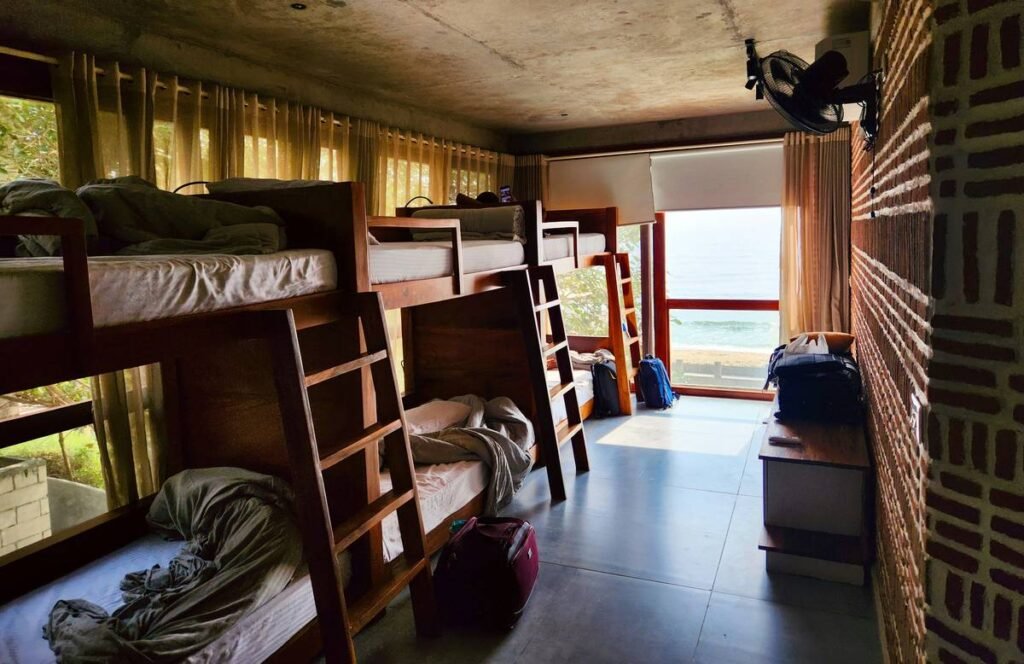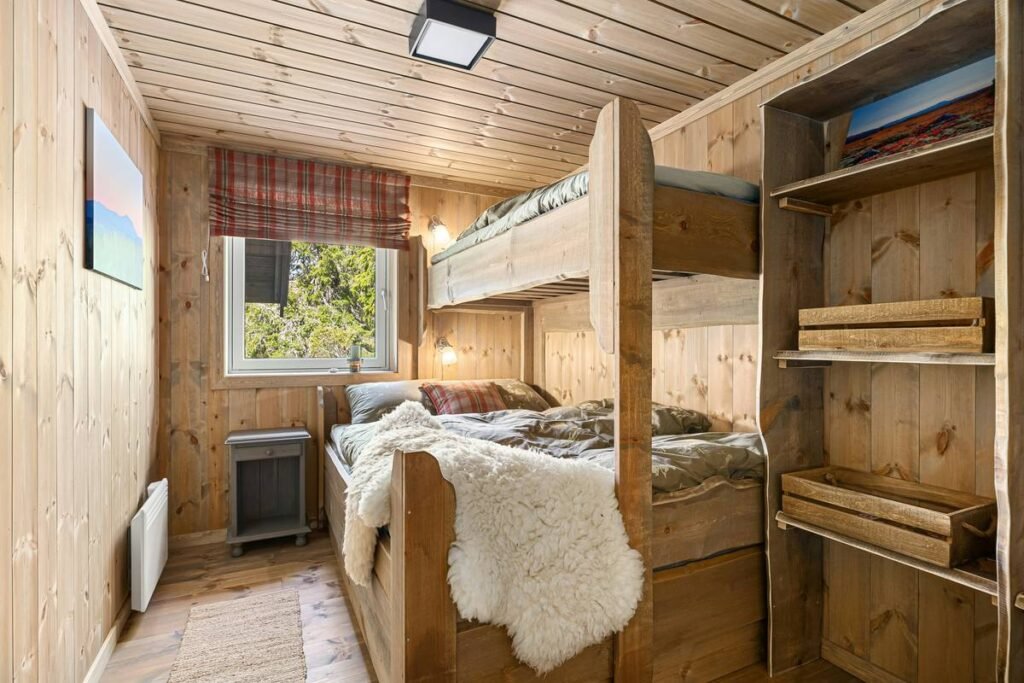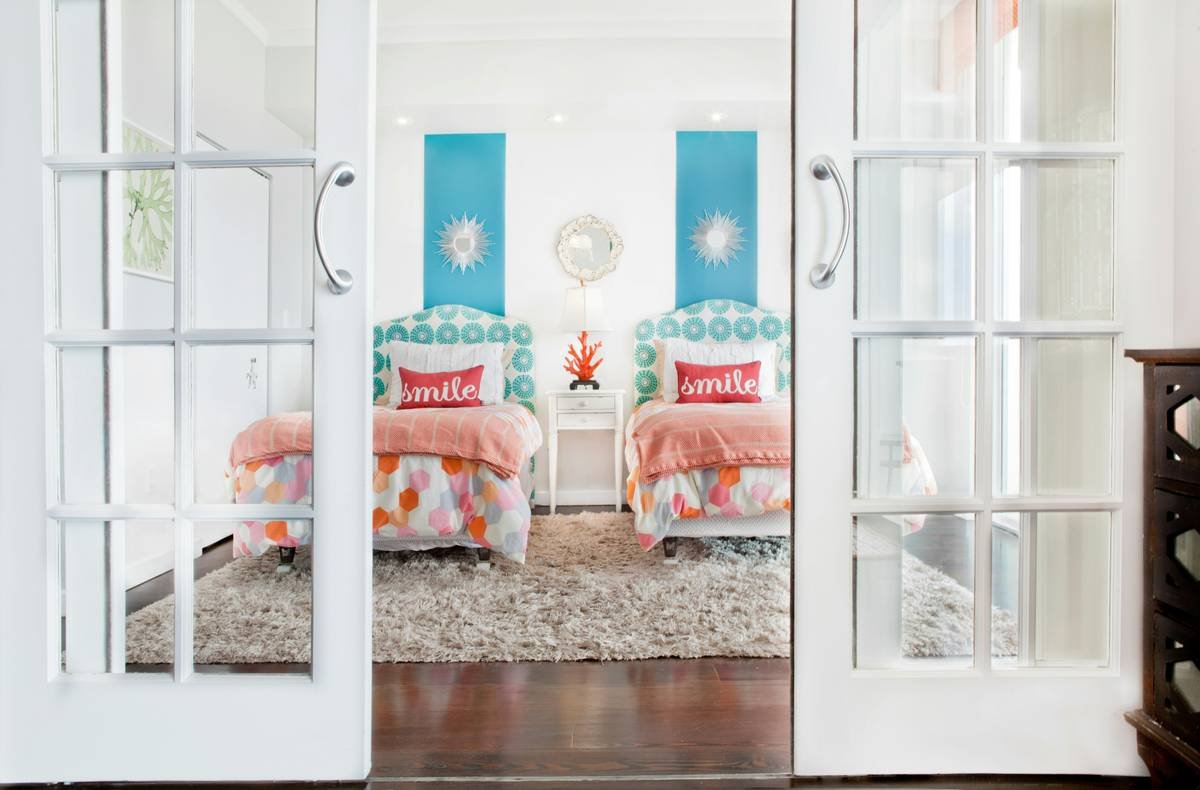
Running out of room in your daughter’s bedroom—but still need sleep space for two? You’ve probably scrolled through dozens of “cute” bunk beds that look great online… then fall apart after six months. Flimsy frames. Sharp edges. Designs that scream “generic toy store,” not “thoughtful home.” The real problem isn’t finding bunk beds for girls bedroom—it’s finding ones that last, inspire, and actually fit the way kids live.
Why Most Bunk Beds Fail in Girls’ Rooms
Manufacturers chase trends—not durability. Pastel paint chips. Thin MDF warps under daily jumps. Guardrails barely clear safety codes. And let’s be honest: many designs infantilize tweens who want autonomy, not cartoon decals. You end up with a furniture piece that either gets outgrown fast or becomes a liability.
Worse? Poor ergonomics. Ladders too steep. Lower bunks feel like caves. Top bunks lack headroom for reading lights or dream journals. These aren’t just annoyances—they’re daily friction points that turn shared bedrooms into battlegrounds.
Choosing & Installing the Right Bunk Bed: A No-BS Guide
Start with structure. Solid wood > particle board. Metal frames can work—if they’re commercial-grade (think loft beds in dorms), not hollow tubes painted pink. Then, consider flow. Who sleeps where? Will storage tuck underneath? Is there room to grow?
Material Matters More Than Color
A cherry finish beats neon pink if it means kiln-dried hardwood instead of laminate over sawdust. Wood expands and contracts—good joinery (dowels + mortise-and-tenon) handles that. Particle board swells when humidity hits. Game over.
Height Isn’t Just About Ceilings
Standard bunk height: 60–65 inches. But if your ceiling is 8 feet? Go low-profile. Or opt for a low loft—top bunk only, bottom open for desk or play. Gives breathing room without sacrificing floor square footage.
Safety That Doesn’t Sacrifice Style
Guardrails should extend at least 5 inches above the mattress. Ladders need wide, slip-resistant rungs—not narrow metal rods. Skip the slide unless you’ve got 10-foot ceilings and no bedtime routines. Seriously.
| Design Type | Best For | Avg. Price Range | Lifespan (Years) |
|---|---|---|---|
| Traditional Twin-over-Twin | Siblings close in age | $300–$800 | 3–5 (if particle board) |
| Full-over-Twin | Older teen + younger sibling | $600–$1,200 | 7–10 (solid wood) |
| Loft with Desk Below | Only child needing study + sleep | $500–$900 | 6–9 |
| L-Shaped Bunk | Small rooms; maximizes corner space | $700–$1,400 | 8–12 (custom builds) |
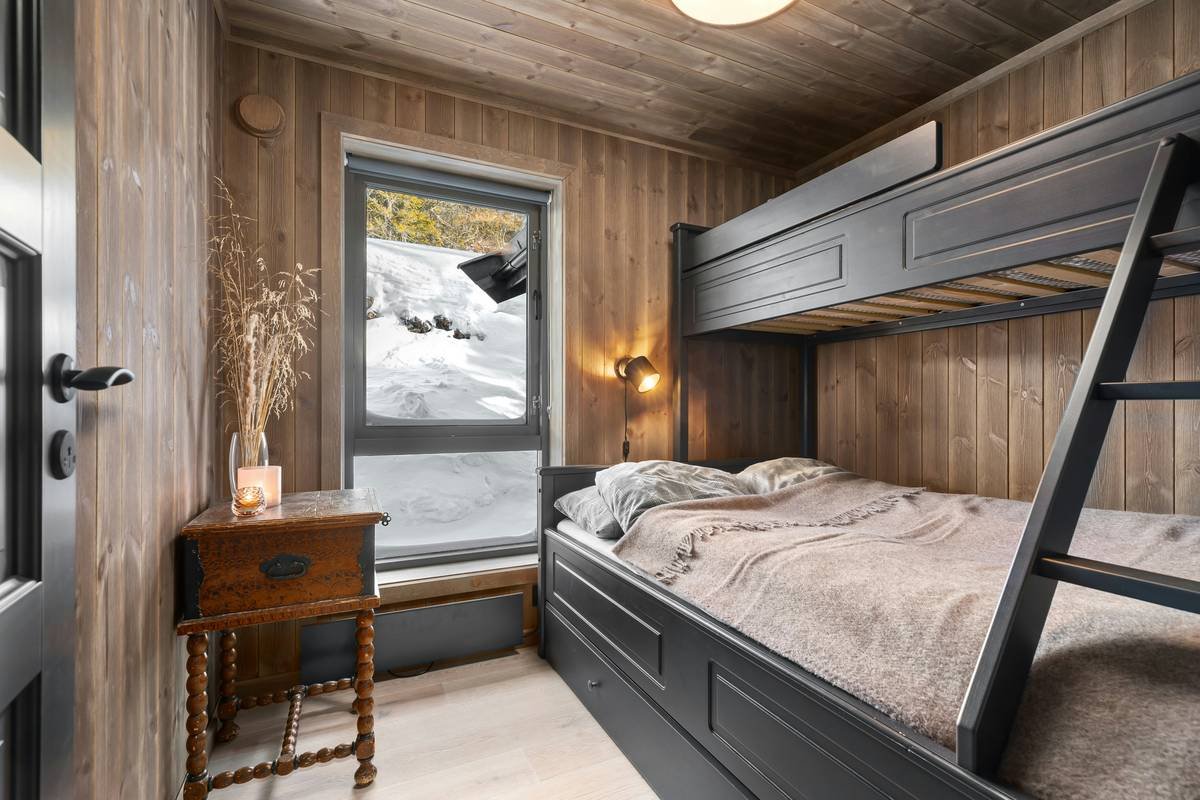
The Industry Secret: Bunk Beds Should Be Modular
Here’s what retailers won’t tell you—most bunk beds are dead-end purchases. You buy it, use it for 2 years, then dismantle it because the kids outgrow the setup. The smart move? Buy a system designed to evolve.
Brands like Maxtrix or Room & Board offer beds where the top bunk detaches cleanly, converting into two singles. Or the ladder swaps for stairs with drawers. Think of it like LEGO for furniture—same core parts, new configurations as needs change. Yes, it costs more upfront. But amortized over 8 years? Cheaper than replacing twice. And emotionally smarter—your child’s room grows with her, not against her.
I watched a client do this last year. Started with twin-over-twin for ages 6 and 8. By 12, she flipped one frame into a daybed with trundle for sleepovers. Zero waste. Total win.
FAQ
Are bunk beds safe for 5-year-olds?
No. The CPSC recommends children under 6 avoid top bunks. Their depth perception and balance aren’t developed enough. Stick to the lower bunk—or wait.
What’s the best color for bunk beds in a girl’s room?
Neutral tones (whites, greys, warm woods) outlast phases. Add personality through bedding, curtains, or removable wall decals—not paint on the frame.
Can bunk beds be separated later?
Only if designed for it. Check product specs for “convertible” or “modular” before buying. Most fixed-frame bunks cannot be split without cutting bolts or damaging wood.