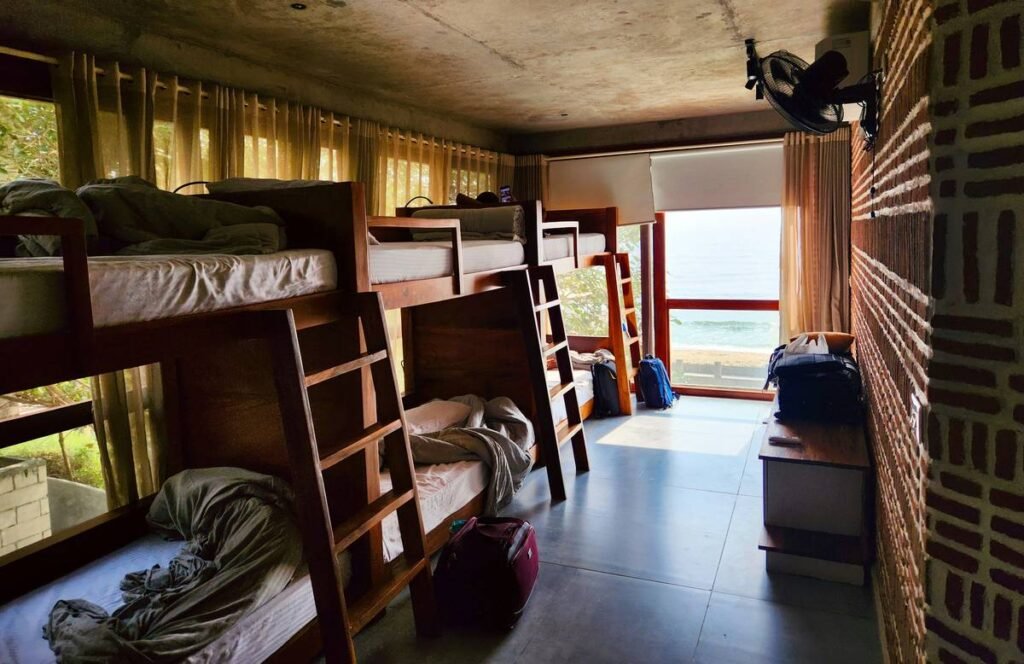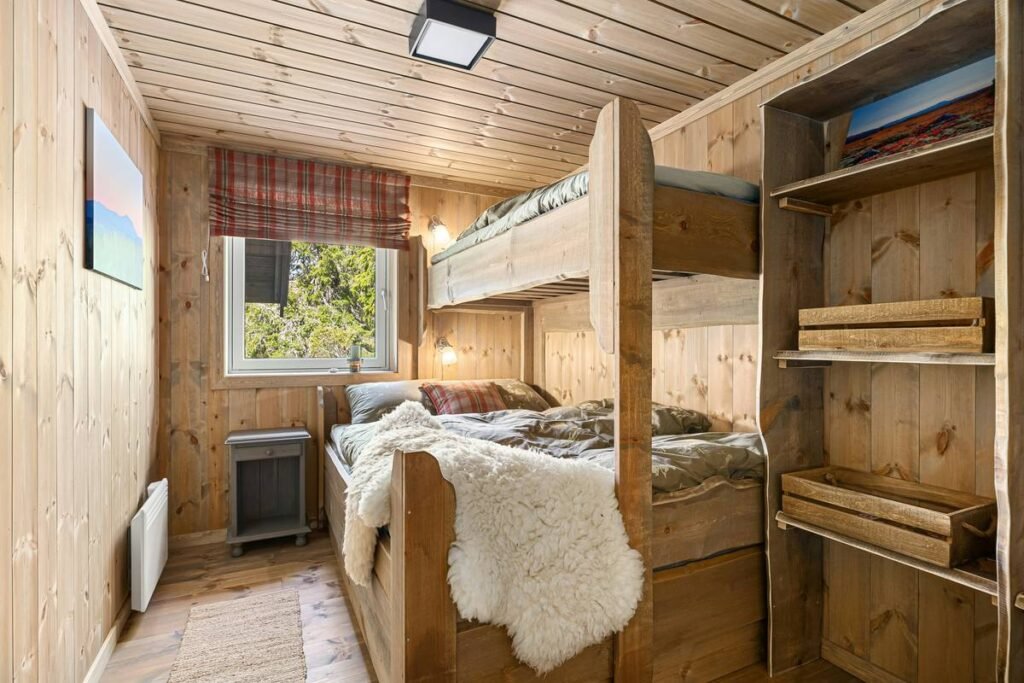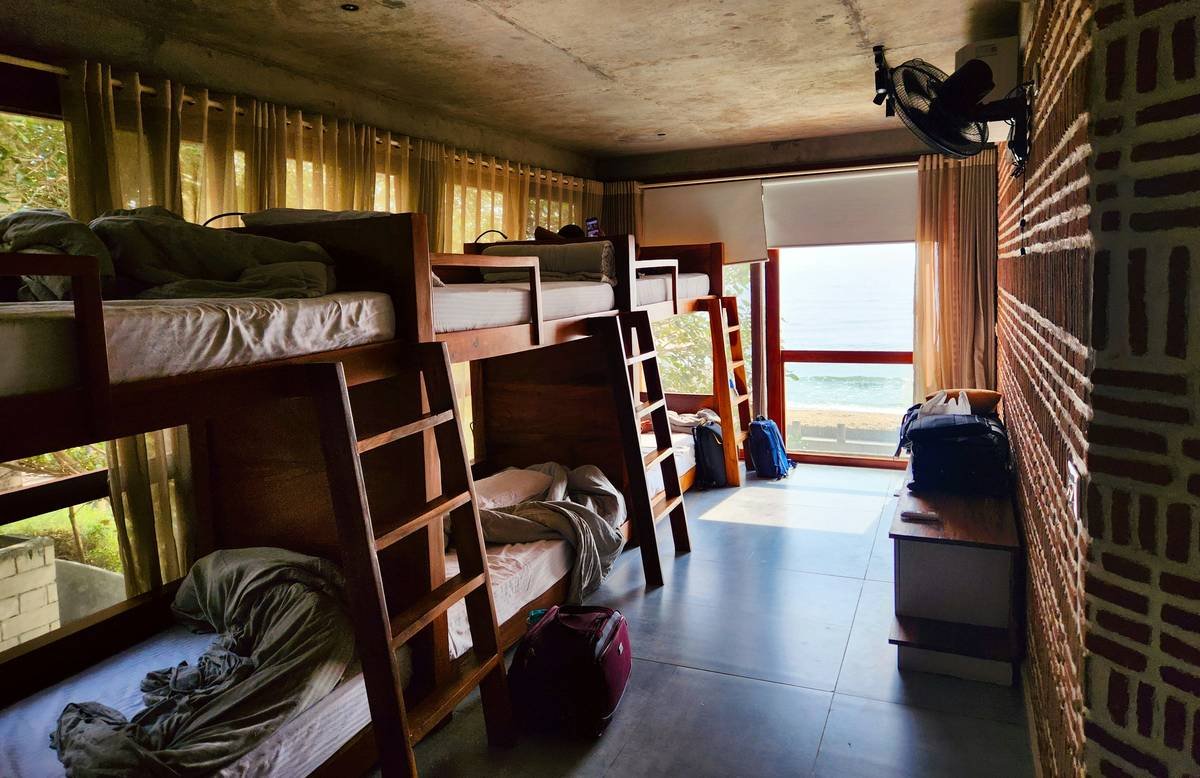
Small bedrooms feel cramped fast. Throw in two kids—or a roommate—and chaos multiplies. You’ve tried twin beds, pushed them into corners, even considered sacrificing closet space. But nothing frees up floor real estate like vertical thinking. The answer? Well-chosen bunk beds for small bedrooms—not just stacked sleepers, but cleverly engineered furniture that turns wasted air into usable space.
Why Most Bunk Beds Fail in Tight Spaces
Most off-the-shelf bunk beds are built for dorms, not tiny urban rooms. They’re too bulky, too tall, or leave zero room to breathe underneath. And if you’ve ever seen a kid duck-walk under a low-clearance loft, you know the frustration is real.
Here’s the reality: standard bunks ignore human proportions and room dynamics. They assume you’ve got 9-foot ceilings and 10×12 square footage. In a true small bedroom—say, under 100 sq ft—that approach backfires. You end up with claustrophobia, not clever design.
Bunk Beds for Small Bedrooms: Your Step-by-Step Selection Guide
Picking the right setup isn’t about buying the cheapest Amazon listing. It’s about matching form, function, and physics to your actual room.
Measure Twice—Then Subtract 6 Inches
Always deduct at least 6 inches from your ceiling height before choosing a bunk. Why? Clearance matters—for airflow, light, and avoiding head bumps. If your ceiling is 8 feet (96 inches), max bed height should be 90 inches. Period.
Ladder Placement Dictates Flow
A side-mounted ladder eats into valuable wall space; an end-mounted one can block doors or desks. Consider angled ladders or stair-integrated designs—they double as storage and ease access without hogging floor area.
Think Beyond Twin-over-Twin
Twin-over-full, L-shaped bunks, or loft-plus-trundle combos often fit better in irregular layouts. Vertical space isn’t uniform—you might have more depth than width, or vice versa. Match the frame to your room’s geometry, not default templates.
| Bed Type | Floor Footprint (sq ft) | Clearance Under Top Bunk | Best For |
|---|---|---|---|
| Standard Twin-over-Twin | 45 | 32–36 inches | Symmetrical rooms, shared sibling spaces |
| Loft + Trundle | 40 | 50+ inches | One sleeper + study zone or guest spot |
| L-Shaped Bunk | 38 | Variable (corner-optimized) | Nooks, alcoves, or rooms with odd angles |
| Staircase Bunk (with drawers) | 50 | 45–48 inches | Maximizing storage; younger kids |
The Industry Secret: Modular Bunks Beat Built-In Every Time
Here’s what big-box retailers won’t tell you: custom-built-in bunks look impressive on Pinterest but lock you into one layout forever. Move cities? Have another kid? Suddenly, that “perfect” carpentry becomes dead weight.
Smart designers now use modular systems—frames with interchangeable parts, reversible ladders, and detachable lofts. Brands like Maxtrix or Stokke offer components that reconfigure from bunk to standalone loft to separate twins. The math is simple: flexibility = longevity. And in small-space living, adaptability isn’t optional—it’s survival.
But don’t assume “modular” means flimsy. Look for solid hardwood frames with steel reinforced joints. Avoid particleboard—it swells with humidity and sags under daily use. Your bunk should last a decade, not a dorm semester.
Frequently Asked Questions
Are bunk beds safe in rooms with low ceilings?
Yes—if you choose low-profile models with top bunk clearance under 72 inches total. Always maintain at least 30 inches between mattress top and ceiling. Use guardrails on both sides, even against walls.
Can adults sleep comfortably on the bottom bunk?
Absolutely. Many modern bunks offer full-size or even queen bottom beds. Just confirm the frame supports 300+ lbs and has adequate sitting headroom (ideally 40+ inches).
Do bunk beds reduce resale value?
No—especially modular ones. Unlike permanent built-ins, freestanding bunks are furniture, not fixtures. Buyers see them as removable assets, not renovation liabilities.