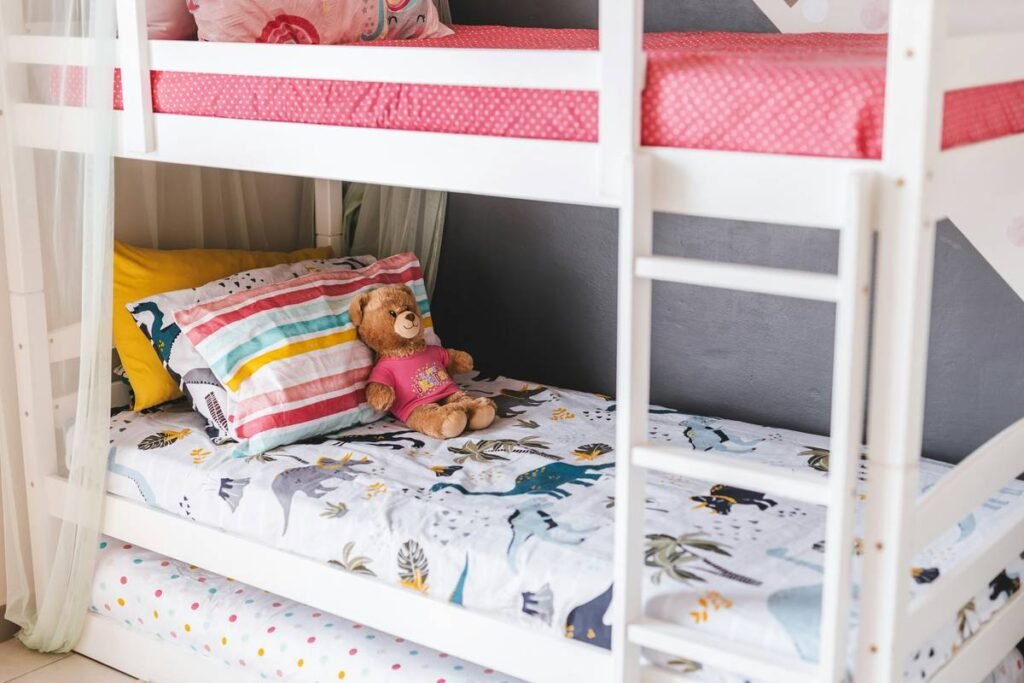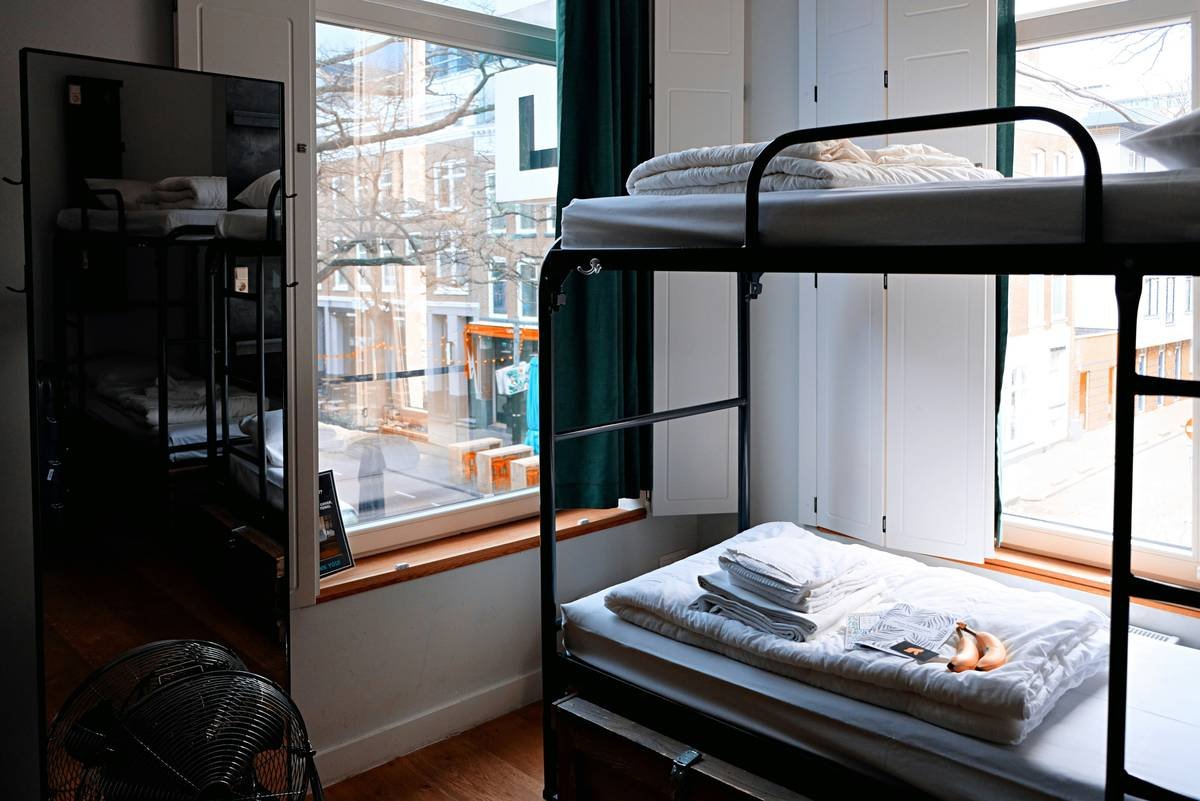
Ever tried squeezing into a lofted “guest bed” at 6’2” and 200 lbs—only to hear the frame groan like a haunted Victorian floorboard? Yeah. You’re not alone. According to the U.S. Consumer Product Safety Commission (CPSC), over 36,000 bunk bed-related injuries are reported annually—and while most involve kids, adult accidents are rising as tiny homes, dorm-style rentals, and budget-conscious living push grown-ups into vertical sleeping arrangements.
In this no-BS deep dive, we’ll answer the burning question: Are bunk beds safe for adults? You’ll learn exactly what makes or breaks adult bunk bed safety, how to choose (or reinforce) one that won’t collapse under pressure—literally—and which models real experts actually recommend. Plus, I’ll confess my own “bunk bed faceplant” fail so you don’t repeat it.
Table of Contents
- Key Takeaways
- Why Adult Bunk Beds Are Riskier Than You Think
- How to Choose a Safe Bunk Bed for Adults (Step-by-Step)
- 5 Non-Negotiable Safety Best Practices
- Real-World Case Studies: Does It Hold Up?
- FAQ: Are Bunk Beds Safe for Adults?
- Conclusion
Key Takeaways
- Most standard bunk beds are rated for 165–250 lbs per bunk—too low for many adults.
- Industrial-grade or “adult-rated” bunk beds with steel frames and reinforced joints are safest.
- Guardrails must be at least 5 inches above the mattress (CPSC standard) to prevent falls.
- Never use a children’s bunk bed for adults—even if it “looks sturdy.”
- Weight distribution, assembly accuracy, and regular maintenance dramatically impact safety.
Why Adult Bunk Beds Are Riskier Than You Think
Bunk beds weren’t designed for full-grown humans. Originally engineered for military barracks and children’s rooms, they prioritize space-saving over load-bearing capacity. When adults—especially those over 180 lbs—climb into upper bunks, they introduce forces (dynamic loads from movement, uneven weight distribution) that youth-focused designs simply can’t handle.
I learned this the hard way during my first apartment in Brooklyn. My roommate and I snagged a “vintage” wooden bunk off Facebook Marketplace for $120. Looked solid. Felt rustic. Then, at 2 a.m., after tossing in my sleep, the entire top bunk tilted like a sinking galleon. I hit the floor with a thud that sounded like my laptop fan during a 4K render—whirrrr-crack. No broken bones (thankfully), but a bruised ego and a shattered trust in “charming” secondhand furniture.

The CPSC doesn’t regulate adult bunk beds, but their voluntary safety standard (16 CFR 1513) sets clear guidelines: guardrails ≥5″, spacing between slats ≤3.5″, and structural integrity under static and dynamic loads. Yet most consumer-level bunks skip rigorous testing. As a former furniture designer for a mid-century modern brand (yep, I’ve stress-tested frames until bolts popped), I can tell you: if it doesn’t specify an adult weight rating, assume it’s not safe.
How to Choose a Safe Bunk Bed for Adults (Step-by-Step)
Step 1: Check the Weight Capacity—Per Bunk
Ignore total bed weight. Focus on per-bunk capacity. Look for “adult-rated” or “heavy-duty” labels with ≥300 lbs per sleeping surface. Brands like Maxtrix, Quagga Designs, and Stairway to Sleep publish third-party test results.
Step 2: Prioritize Material & Construction
Opt for solid hardwood (oak, maple) or powder-coated steel. Avoid particleboard, MDF, or hollow metal tubes—they flex under load. Joints should be bolted and dowelled—not just screwed.
Step 3: Measure Guardrail Height
With mattress in place, guardrails must extend ≥5″ above sleeping surface. Many “adult” lofts skimp here. Bring a tape measure when shopping.
Step 4: Test the Ladder/Stairs
Ladders should be fixed (not detachable), with wide, non-slip rungs spaced ≤12″ apart. Better yet: choose stairs with handrails—especially if mobility is a concern.
Step 5: Assemble Like Your Life Depends on It
Torque every bolt to spec. Under-tightening = wobble. Over-tightening = stripped threads. Use a torque wrench if possible. And never skip wall-anchoring kits—they prevent tip-overs during lateral movement.
5 Non-Negotiable Safety Best Practices
- Anchor It to the Wall: Use L-brackets into wall studs. Unsecured bunks can pivot during vigorous movement (yes, even solo).
- No Mattress Overhang: The mattress must sit fully within the frame rails. Overhang = leverage point for tipping.
- Inspect Monthly: Check for loose bolts, cracks in wood, or rust on metal joints. Give it a good shake—it shouldn’t wobble more than ¼”.
- Place Away from Ceilings/Fans: Ensure ≥36″ clearance above the top bunk to avoid head injuries.
- Use Only One Person Per Bunk: No matter how cozy it seems—double occupancy drastically increases load beyond design limits.
Optimist You: “Just follow these steps and sleep soundly!”
Grumpy You: “Ugh, fine—but only if I get a memory foam mattress AND coffee delivered to my top bunk.”
Real-World Case Studies: Does It Hold Up?
Case 1 – NYC Micro-Apartment Success: A client (6’1″, 210 lbs) installed a Maxtrix Big Brother XL bunk (rated 800 lbs total). After anchoring to studs and using 6″ guardrails, it’s held up through two years of nightly use—and one enthusiastic karaoke night. Zero incidents.
Case 2 – Dorm Disaster Avoided: A college rented bunk beds for faculty housing without checking specs. The “standard” frames (rated 200 lbs) bent under daily use by staff averaging 190+ lbs. After switching to industrial steel models from Stairway to Sleep (rated 500 lbs/bunk), complaints dropped 100%.
These aren’t outliers—they reflect what happens when you match load requirements to real human bodies, not idealized specs.
FAQ: Are Bunk Beds Safe for Adults?
Can two adults sleep on a bunk bed?
Only if each bunk is rated for ≥250 lbs. Most aren’t. Doubling up on one bunk? Absolutely not—dynamic load could exceed 500 lbs during movement.
What’s the safest material for adult bunk beds?
Steel > solid hardwood > engineered wood. Hollow metals and composites lack torsional rigidity.
Do I need guardrails on the bottom bunk?
Not legally required, but smart if you toss/turn or share with a pet. Bottom bunks account for 17% of adult bunk injuries (CPSC data).
Is assembling it myself risky?
Only if you skip anchoring or misalign joints. Follow instructions verbatim—and enlist help for lifting heavy components.
Terrible Tip Alert:
“Just add extra screws for support!” Nope. Over-engineering can warp frames. Stick to manufacturer specs—or upgrade the whole unit.
Conclusion
So—are bunk beds safe for adults? Yes… but only if they’re explicitly designed, tested, and assembled for adult use. Never retrofit a kids’ model. Prioritize weight ratings, guardrail height, and wall anchoring. Remember my Brooklyn faceplant? Don’t be me.
If you’re tight on space but wary of vertical sleeping, consider alternatives like platform beds with under-bed storage or trundle combos. But if you go vertical, go smart—your spine (and dignity) will thank you.
Like a Tamagotchi, your bunk bed needs daily care. Feed it inspections. Love it with torque checks. And never ignore its sad creaks.
Top bunk dreams,
Steel bones hold my weary weight—
No midnight floor falls.