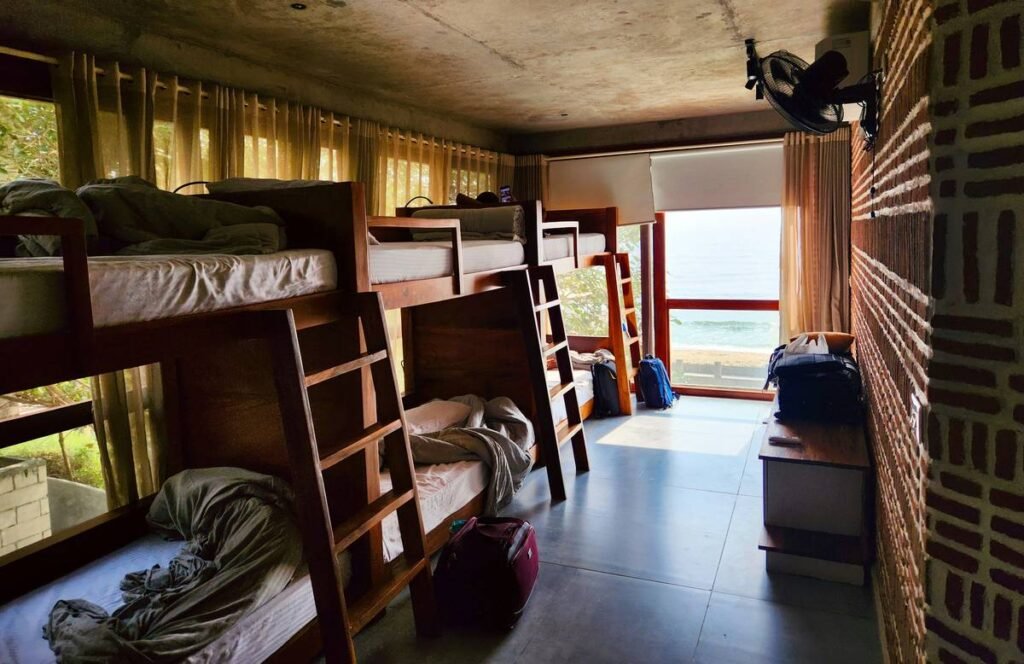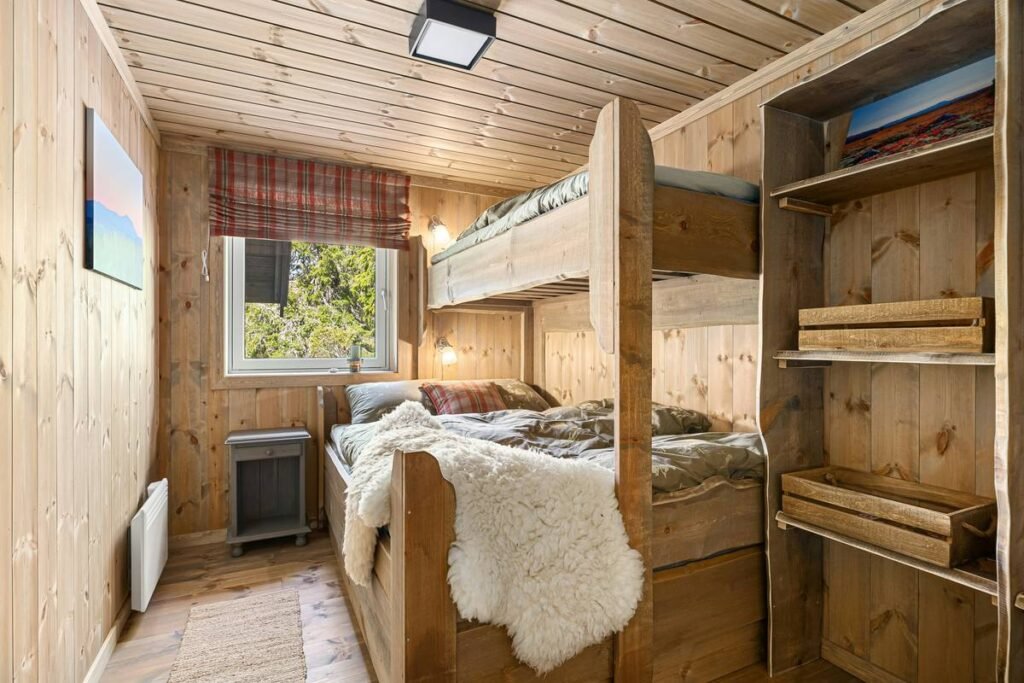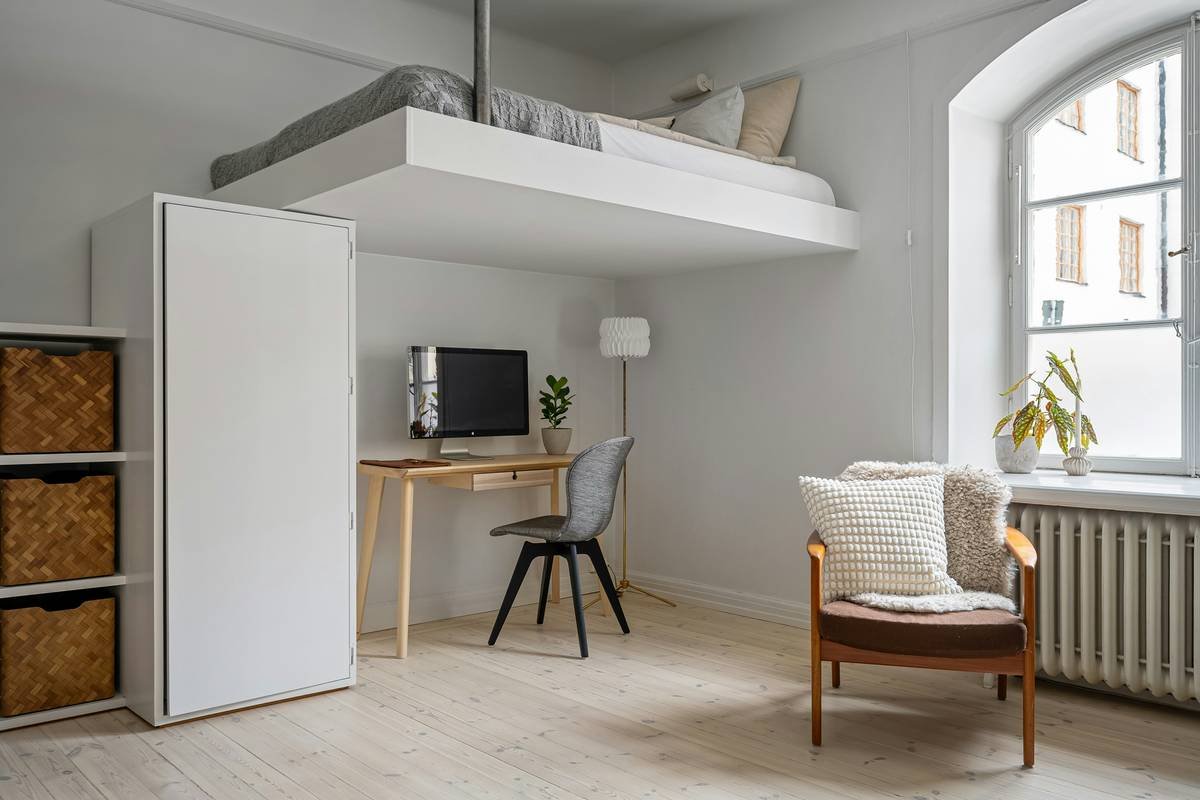
Ever tried cramming two adults into a guest room smaller than your walk-in closet? Or watched your teen do homework while balancing on a top bunk designed for a 7-year-old? Yeah. We’ve been there—and nearly broke our necks (and our trust in “sturdy” IKEA hardware) in the process.
If you’re juggling space constraints, hosting older kids, or welcoming overnight guests who won’t fit—literally—on twin beds, then a bunk full size bed isn’t just clever furniture. It’s your spatial lifeline.
In this guide, you’ll discover why full-size bunk beds are surging in popularity (we’ll cite real market data), how to choose one that won’t wobble like a Jenga tower after one sneeze, what safety standards actually matter (spoiler: not all “certified” beds are equal), and which styles blend function with legit design flair. Plus, I’ll confess my own facepalm moment with a flimsy loft bed that nearly ruined Family Game Night forever.
Table of Contents
- Key Takeaways
- Why Bunk Full Size Beds Are No Longer Just for Kids
- How to Choose a Safe and Stylish Bunk Full Size Bed
- Top Tips for Maximizing Comfort and Safety
- Real-World Case Studies: When Full-Size Bunks Saved the Day
- Bunk Full Size Bed FAQs
Key Takeaways
- A bunk full size bed accommodates teens and adults comfortably—no more dangling feet or elbow wars.
- Certifications from ASTM F1427-22 and CPSC are non-negotiable for safety.
- Look for 16+ inches of clearance between top bunk and ceiling to prevent head bumps.
- Metal frames often offer superior weight capacity vs. particleboard; solid wood strikes a balance of aesthetics and durability.
- Modular designs (like L-shaped or trundle combos) maximize small spaces without sacrificing style.
Why Are People Suddenly Obsessed With Bunk Full Size Beds?
Let’s be real: bunk beds used to scream “summer camp” or “younger siblings only.” But with U.S. home sizes shrinking (the average new single-family home dropped from 2,500 sq ft in 2015 to 2,279 sq ft in 2023, per U.S. Census data) and multi-gen living rising—Pew Research reports 52% of young adults lived with parents in 2020—space efficiency is no longer optional.
Enter the bunk full size bed: twin-over-full or full-over-full configurations that give older kids, college students, or guests real sleeping comfort without eating up precious square footage.
I learned this the hard way when my nephew—a 6’2” college sophomore—visited and spent three nights curled like a shrimp on a twin top bunk. The next day, I tore out my old setup and installed a true full-over-full model from Max & Lily. Game. Changer.
How Do You Pick a Bunk Full Size Bed That Won’t Collapse During Midnight Snack Runs?
Optimist You: “Just grab the cheapest one on Amazon!”
Grumpy You: “Ugh, fine—but only if coffee’s involved… and a structural engineer.”
Choosing a bunk bed isn’t like picking throw pillows. Get it wrong, and you’re risking injury, sleepless nights (from creaking), or worse—a lawsuit if a guest gets hurt. Here’s how to do it right.
What Safety Certifications Actually Matter?
Ignore vague claims like “meets industry standards.” Demand proof of compliance with:
- ASTM F1427-22: The gold standard for bunk bed safety—covers guardrail height (min. 5”), spacing (max. 3.5” gaps), and ladder stability.
- CPSC Guidelines: Mandates slat spacing under 2.95” to prevent entrapment (yes, even for adults).
Brands like Storkcraft, Donco, and Max & Lily publish test reports. If they don’t? Walk away.
Frame Material: Wood vs. Metal vs. “Engineered Wood” (aka Particleboard)
Particleboard may look sleek in photos, but it swells with humidity and cracks under sustained weight. For a bunk full size bed supporting 250–400 lbs per level:
- Solid hardwood (pine, oak): Durable, repairable, ages beautifully—but heavier.
- Steel/aluminum: Higher weight capacity (often 500+ lbs), modern aesthetic, but can feel cold and industrial.
Pro tip: Check bolt thickness—anything under M8 is suspect.
Clearance, Clearance, Clearance
You need at least **33 inches** from the top mattress surface to the ceiling. Why? The CPSC recommends 30”, but add 3” for pillows and restless sleepers. Measure twice before buying!
What Are the Non-Negotiable Tips for a Bunk Full Size Bed That Feels Like a Retreat—Not a Dorm?
Because nobody wants to wake up feeling like they slept in a submarine with their roommate’s toes in their face.
- Add memory foam toppers (3” min): Full mattresses on bunks are often thinner. A plush topper = instant luxury.
- Install LED strip lighting under the top bunk: Soft glow for late-night readers—no blinding overhead lights.
- Use clip-on privacy curtains: Especially for shared rooms. Breathable cotton > polyester (prevents stuffiness).
- Anchor the bed to wall studs: Yes, even if it “feels stable.” Earthquakes, rowdy teens, and enthusiastic pets don’t care about your confidence.
- Choose reversible ladders or stair units: Stairs double as storage drawers—chef’s kiss for tiny homes.
TERRIBLE TIP DISCLAIMER: “Skip the guardrails on the bottom bunk for ‘a cleaner look.’” NO. Full-size sleepers roll—especially after pizza-and-beer night. Guardrails on both levels aren’t optional for anyone under 50… or over, honestly.
When Did a Bunk Full Size Bed Actually Save Someone’s Sanity? (True Stories)
Case Study 1: The Brooklyn Studio Hack
Sarah K., interior designer in NYC, converted her 450-sq-ft studio into a functional guest suite using a full-over-full bunk from Tru-Flex. By placing it against a load-bearing wall and adding casters (yes, really—they lock!), she slides it aside for yoga sessions. Result: Her Airbnb rating jumped from 4.6 to 4.9, with guests praising “unexpected spaciousness.”
Case Study 2: The Multi-Gen Home Win
In Phoenix, the Morales family hosts grandparents monthly. Their solution? A custom L-shaped bunk full size bed with a pull-out desk underneath. Built by local carpenter Marco Ruiz using kiln-dried pine and ASTM-certified hardware, it supports 350 lbs per level. “Abuelo hasn’t complained once,” says mom Elena. “And that’s saying something.”
These aren’t Pinterest dreams—they’re engineered, measured, and safety-tested realities.
Bunk Full Size Bed FAQs
Can two adults sleep comfortably on a full-over-full bunk bed?
Yes—if the bed meets weight specs (typically 250–400 lbs per bunk) and has proper support slats (not just a few metal bars). Full mattresses are 54” x 75”, giving each sleeper ~27” width—tight but workable for occasional use.
What’s the minimum ceiling height needed?
Ideal: 9 feet. Absolute minimum: 8’2” with 33” clearance from top mattress to ceiling. Anything lower risks head injuries.
Are bunk full size beds legal for rental properties?
In most U.S. states, yes—but check local codes. California, for example, requires guardrails on any elevated bed over 30” high, regardless of occupant age (CA Code Regs Tit. 25, § 42).
How much should I spend?
Budget: $400–$700 (basic metal or engineered wood—verify certifications!). Mid-range: $800–$1,500 (solid wood, stairs, storage). Premium: $1,600+ (custom, built-in desks, eco-finishes).
Conclusion
A bunk full size bed isn’t just a piece of furniture—it’s a strategic investment in space, safety, and sanity. Whether you’re housing growing teens, hosting relatives, or maximizing a micro-apartment, choosing the right model (with ASTM certification, adequate clearance, and thoughtful design) transforms cramped chaos into calm functionality.
Remember my wobbling loft fail? Never again. Now, my guest room sleeps four adults—and still has room for a mini-fridge. Prioritize structure over style, measure like your sleep depends on it (it does), and never skip those guardrails.
Like a Tamagotchi, your bunk bed needs daily care—but feed it respect, and it’ll serve you for decades.
Wood groans softly low,
Two full beds stacked toward the sky—
Space saved, dreams held high.