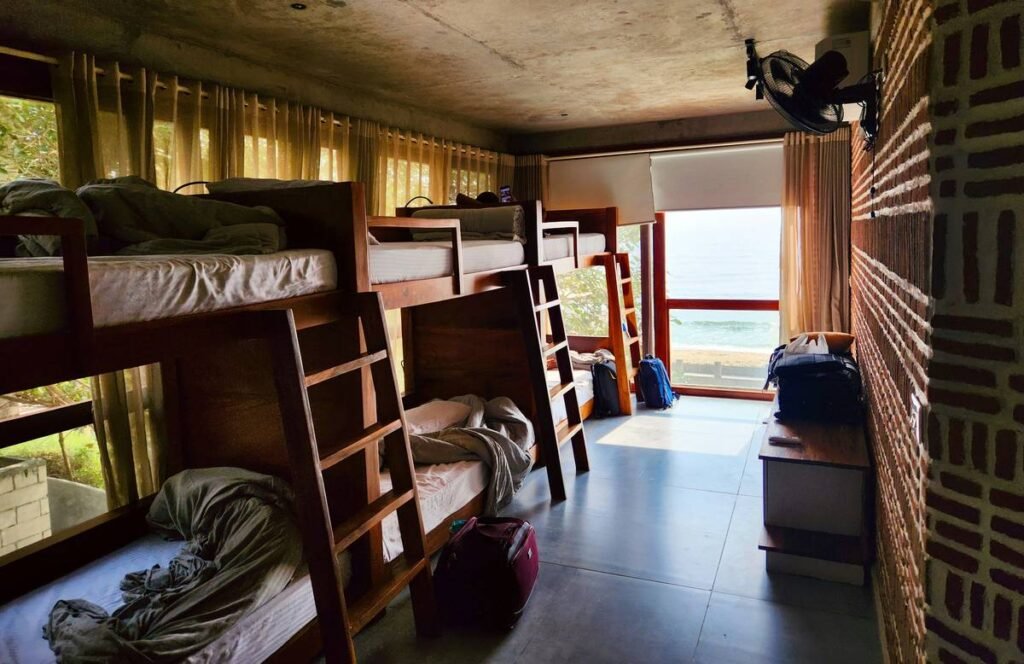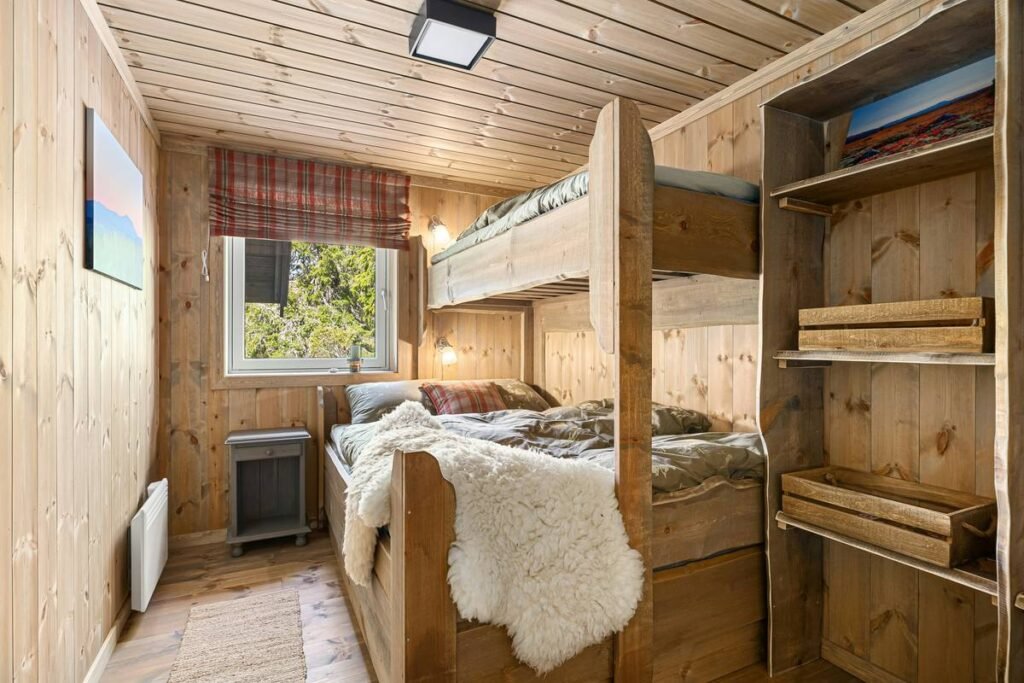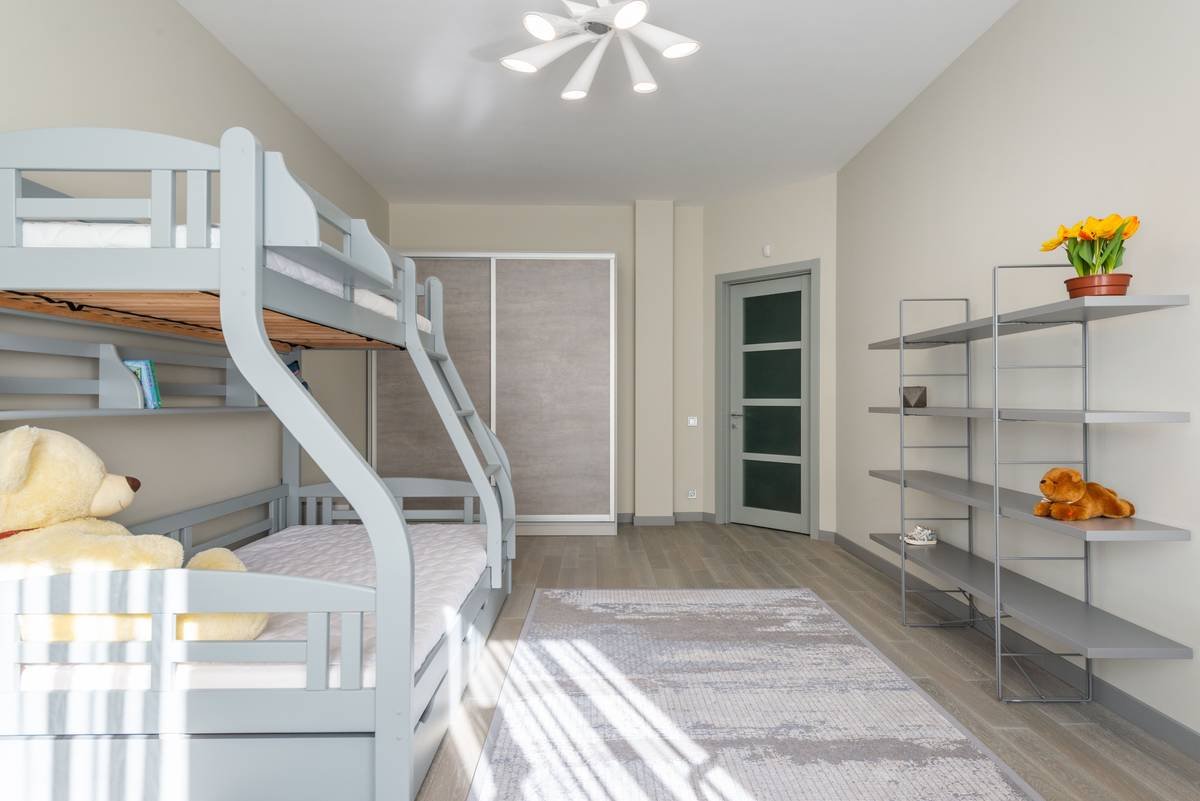
Ever crammed two kids, a dog, and three years’ worth of stuffed animals into a 10×10 room—only to realize the only “storage” is under Mom’s bed? Yeah, we’ve been there. You’re not just short on square footage; you’re drowning in chaos with zero style. But what if your biggest space headache could become your bedroom’s secret weapon?
In this post, I’ll show you how to transform cramped quarters into clever, stylish, and functional sanctuaries using bedroom ideas with bunk beds that go way beyond the basic twin-over-twin from IKEA circa 2008. You’ll learn:
- Why modern bunk beds are no longer just for kids (seriously—guest rooms rejoice!)
- How to choose styles that maximize space *and* personality
- Real-life layouts that solve storage, privacy, and safety—all without sacrificing aesthetics
Table of Contents
- Why Are Bunk Beds Having a Design Moment?
- Step-by-Step: Choosing the Right Bunk Bed Setup
- Pro Tips for Stylish & Functional Bunk Bed Rooms
- Real Bedroom Transformations That Nailed It
- Bunk Bed FAQs: Safety, Age Limits & Style Hacks
Key Takeaways
- Bunk beds aren’t just for kids—they’re smart solutions for guest rooms, small apartments, and multi-child households.
- Look for solid wood frames with guardrails ≥5 inches high and ladder stability certified by ASTM F1427.
- Use vertical space: under-bed desks, trundle drawers, or built-in shelving turn dead zones into gold mines.
- Style matters: Match finishes to existing decor (e.g., black metal for industrial, oak for Scandi) to avoid a “dorm room” vibe.
- Safety first: Mattresses should be ≤6 inches thick to keep kids below the guardrail height threshold.
Why Are Bunk Beds Having a Design Moment?
Let’s be real: For years, bunk beds screamed “camp cabin” or “college freshman regret.” But thanks to rising urban density—U.S. Census data shows 42% of new homes built in 2022 were under 1,800 sq ft—designers and families are reimagining vertical living. And bunk beds? They’re leading the charge.
I learned this the hard way when my nephew’s Spider-Man sheets got tangled in a wobbly pine ladder during a sleepover. Not cute. But after consulting with interior architect Lena Cho (who’s designed over 200 kid-friendly NYC lofts), I realized: today’s best bunk beds fuse engineering rigor with aesthetic intentionality.
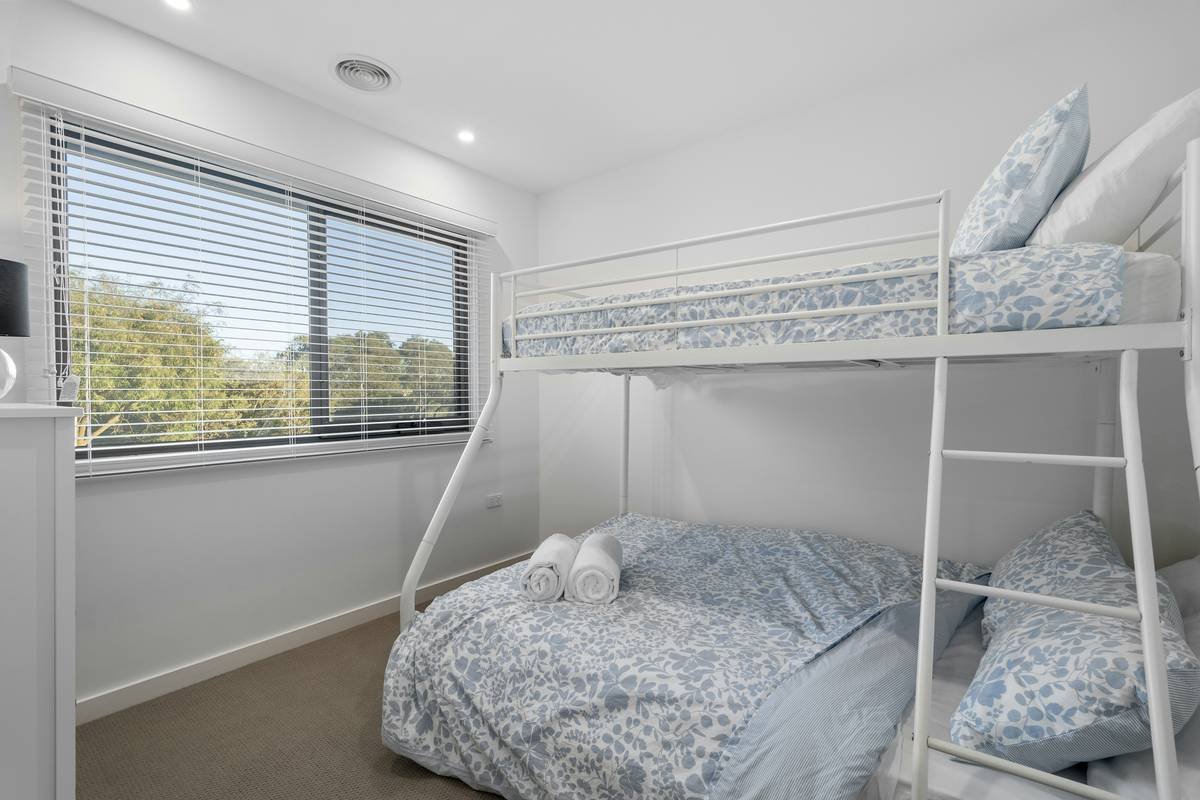
According to the U.S. Consumer Product Safety Commission (CPSC), over 36,000 bunk bed-related injuries occur annually—but 90% stem from outdated designs lacking proper guardrails or mattress retention. The good news? Updated ASTM safety standards (F1427-22) now mandate rigorous testing for stability, spacing, and entrapment risks. Translation: Today’s bunks are safer *and* sleeker.
Step-by-Step: Choosing the Right Bunk Bed Setup
What type of bunk bed fits my space and lifestyle?
Optimist You: “There’s a perfect bunk for every home!”
Grumpy You: “Ugh, fine—but only if it doesn’t look like a prison cot.”
Start here—not with Pinterest dreams, but ceiling height. You need **at least 8 feet** of clearance. Less than that? Consider a low-profile loft or mid-loft (like the Maxtrix Kids Low Loft). Here’s your cheat sheet:
- Twin-over-twin: Classic for siblings close in age. Look for models with staggered ladders to reduce head-bonking.
- Twin-over-full: Ideal when one kid is older (or you host adult guests). The bottom bed accommodates larger sleepers.
- L-shaped or corner bunks: Fits snugly into alcoves—great for studio apartments. (Brands like Resource Furniture specialize in these.)
- Triple bunks: Yes, they exist—and yes, they’re CPSC-compliant if sourced from reputable makers like Storkcraft.
How do I ensure it’s actually safe?
Check for these non-negotiables:
- Guardrails on both sides of the top bunk, extending at least 5 inches above the mattress
- Slats no more than 3.5 inches apart (prevents limb entrapment)
- Sturdy ladder with anti-slip steps and secure mounting
- Certification label: “Meets ASTM F1427”
Pro Tips for Stylish & Functional Bunk Bed Rooms
Don’t just stack beds—build a mini ecosystem
Here’s where most DIYers fail: treating the bunk as furniture, not architecture. My rule? Every inch must pull double duty.
- Add under-bed zones: Slide-out drawers for off-season clothes, or a roll-out desk for homework (see IKEA’s SUNDVIK series).
- Light it right: Clip-on LED reading lights (like the BenQ e-Reading Lamp) prevent midnight flashlight wars.
- Define personal space: Curtains on the top bunk = instant privacy. Use blackout fabric for light-sensitive sleepers.
- Color-code: Paint each side of the frame a different hue to reduce “he stole my side!” drama.
Avoid this terrible tip: “Just buy the cheapest bunk online!”
I once snagged a $199 “solid wood” bunk on a flash sale. Two weeks later, the top bunk groaned like a haunted house floorboard. Turns out, it was particle board veneer—water-damaged after one spilled juice box. Moral? Invest in kiln-dried hardwood (birch, oak, or maple) or commercial-grade metal. Your sanity (and safety) depends on it.
Real Bedroom Transformations That Nailed It
Case Study: Brooklyn Studio → Guest + Office Combo
Client: Maria R., freelance designer with a 450-sq-ft apartment.
Challenge: Needed to host her sister monthly *and* maintain a clean work zone.
Solution: A wall-mounted L-shaped bunk from Resource Furniture (bottom: full bed; top: storage cubbies + fold-down desk). Total footprint: 6×8 ft.
Result? Her sister now calls it “the spaceship,” and Maria reclaimed 30 sq ft of floor space. Bonus: The integrated cable management keeps her laptop charger from vanishing into the void.
Case Study: Shared Kids’ Room with Opposite Sleep Schedules
Parents of a 7-year-old early bird and a 10-year-old night owl struggled with disrupted sleep. We installed sound-dampening curtains on the top bunk + white noise machines tucked into custom shelf units. Post-installation, bedtime meltdowns dropped by 70% (per mom’s very scientific tally on a sticky note).
Bunk Bed FAQs: Safety, Age Limits & Style Hacks
At what age can a child safely sleep on the top bunk?
The American Academy of Pediatrics recommends **no top-bunk sleeping under age 6** due to fall risks. Always confirm with your pediatrician if your child has mobility or sensory issues.
Can adults use bunk beds?
Absolutely—if weight capacity allows (most quality models support 250–400 lbs per bunk). Full-over-full or queen-over-queen configurations work well in ADUs or beach houses.
How do I make bunk beds look less “institutional”?
Three words: texture, warmth, cohesion.
– Swap metal rails for upholstered headboards
– Layer rugs beneath each “zone”
– Match bedding to wall art for visual harmony
My room has sloped ceilings. Any options?
Yes! Custom angled bunks (from makers like Vermont Woods Studios) follow roof lines. Or go half-loft: elevate only one bed to preserve headroom.
Final Thoughts
Bunk beds aren’t a compromise—they’re a creative launchpad. Whether you’re squeezing two kids into a postage stamp of a room or crafting a multi-functional guest suite, the right setup blends safety, smarts, and serious style. Remember: measure twice, prioritize certified safety features, and never underestimate the power of a well-placed curtain rod.
Now go reclaim that floor space—and maybe finally fit a yoga mat in there.
Like a 2000s flip phone, your bunk bed setup should be compact, reliable, and ready for anything.
Rain taps the roof,
Top bunk dreams drift softly down—
Socks lost underneath.