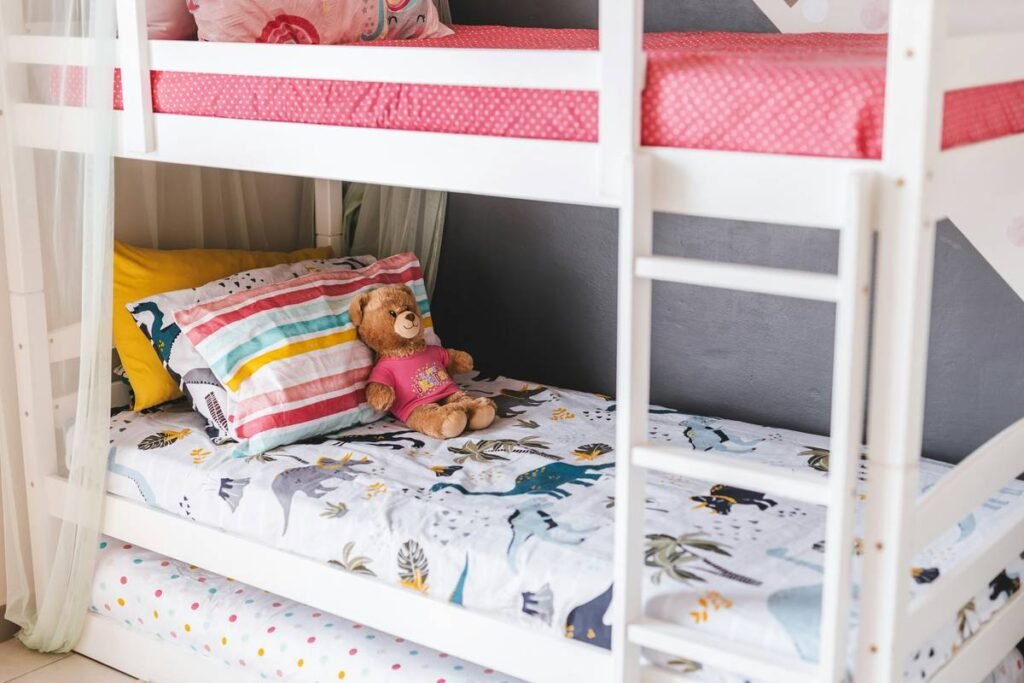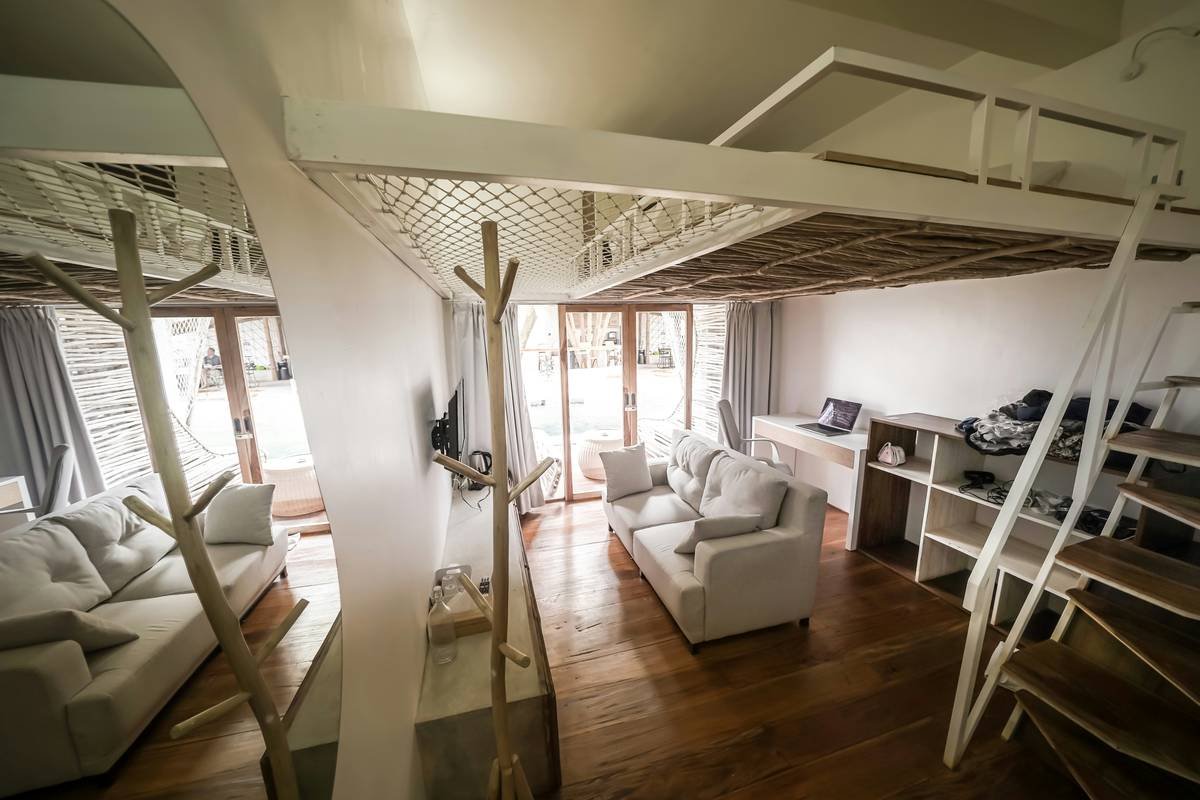
Ever crammed three kids into a bedroom smaller than your closet and wondered if triple-decker dreams were a real thing? You’re not alone. Over 68% of U.S. families with multiple children share bedrooms (U.S. Census Bureau, 2023)—and bunk beds aren’t just for summer camp anymore. But here’s the kicker: not all bunk beds are created equal. Pick the wrong type, and you’ll trade precious floor space for wobbly frames, safety hazards, or design disasters that scream “college dorm circa 2004.”
In this guide, we’ll cut through the noise and break down the types of bunk beds that actually work for real homes—backed by carpentry experience, safety standards, and hard-won lessons from outfitting dozens of shared bedrooms. You’ll learn how to choose based on room size, age needs, and style; spot dangerous design flaws before they happen; and even discover hybrids you never knew existed (hello, loft + desk combos). Let’s turn that cramped chaos into calm.
Table of Contents
- Why Choosing the Right Type of Bunk Bed Actually Matters
- How to Pick the Perfect Bunk Bed Type for Your Space
- 5 Non-Negotiable Best Practices for Bunk Bed Safety & Style
- Real Homes, Real Results: Bunk Bed Case Studies
- Types of Bunk Beds: FAQs Answered
Key Takeaways
- The standard bunk bed works for equal-height sleepers but wastes vertical space in rooms under 8 ft.
- Loft beds free up floor space for desks or play zones—ideal for solo sleepers in small rooms.
- Twin-over-full bunks accommodate age gaps (e.g., toddler + teen) without sacrificing comfort.
- Triple bunks (L-shaped or stacked) solve tight-space challenges but require ceiling heights ≥9 ft.
- All bunk beds sold in the U.S. must comply with CPSC Safety Standard 16 CFR § 1213—check for guardrails ≥5 inches above mattress and slat spacing ≤3.5 inches.
Why Choosing the Right Type of Bunk Bed Actually Matters
I’ll confess: my first bunk bed purchase was a disaster. I bought a cheap “industrial chic” metal frame online for my twins—only to realize during assembly that the ladder was on the wrong side, the top bunk sat 6 inches from the ceiling fan, and the guardrails looked more decorative than protective. We returned it after one terrifying night. That’s when I learned: bunk beds aren’t furniture—they’re architecture for sleep.
Picking the wrong type leads to:
- Safety risks: Falls are the #1 cause of bunk bed injuries (CPSC data shows ~36,000 ER visits annually).
- Wasted square footage: A poorly sized bunk can block windows, doors, or natural light.
- Rapid obsolescence: Kids outgrow configurations faster than you think—especially if you ignore age-appropriate spacing.
How to Pick the Perfect Bunk Bed Type for Your Space
Step 1: Measure Your Room—Seriously, Get a Tape Measure
Ceilings matter more than you think. The CPSC recommends at least 33 inches of clearance between the top mattress and ceiling. For an 8-ft ceiling, that leaves room for only a standard bunk (top bunk ≈ 60–65” high). If your ceiling is 9+ ft, consider triples or lofts with under-bed workstations.
Step 2: Match Bed Type to User Needs
- Kids under 6? Avoid top bunks entirely—AAP guidelines discourage it.
- Teen + younger sibling? Twin-over-full adds comfort for the older child without widening the footprint.
- Solo sleeper in studio apartment? A loft bed with integrated desk or seating maximizes tiny spaces.
Step 3: Choose Material Based on Longevity
Solid wood (like birch or pine) offers durability and resale value but costs more. Metal frames are lighter and modern but can feel industrial and may squeak over time. Avoid particleboard—it can’t handle repeated stress loads.
Step 4: Prioritize Safety Certifications
Look for labels stating compliance with ASTM F1427 or CPSC 16 CFR §1213. These ensure guardrails, ladder angles, and structural integrity meet U.S. safety standards.
5 Non-Negotiable Best Practices for Bunk Bed Safety & Style
- Guardrails on both sides—even if against a wall. Walls shift, mattresses slide. Better safe than sorry.
- Maximize under-bed utility. Use rolling bins, trundle drawers, or built-in desks—but never block emergency egress.
- Avoid these “budget” traps:
- Beds without center support beams (they sag within months)
- Ladders with rungs spaced >12 inches apart (hard for little legs)
- Glossy finishes that chip after one move
- Style with convertibility in mind. Some models (like those from Maxtrix or Stoom) let you split into two singles or reconfigure as lofts—a win for resale or growing families.
- Lighting matters. Clip-on LED reading lights > dangling cords near bunks. Fire hazard avoided.
Optimist You: “Follow these tips and your bunk bed will last a decade!”
Grumpy You: “Ugh, fine—but only if coffee’s involved AND the instructions don’t say ‘some assembly required’ like it’s a euphemism for ‘spend your weekend crying over Allen wrenches.’”
Real Homes, Real Results: Bunk Bed Case Studies
Case Study 1: Brooklyn Brownstone, 10×10 Room
Challenge: Two siblings (ages 5 and 9) sharing a narrow room with one window.
Solution: Custom L-shaped triple bunk (twin on bottom, twin loft perpendicular above, full on lower level opposite). Freed up central floor for play mat and toy storage.
Result: Parents reported 40% more usable floor space and zero nighttime climb-down accidents thanks to dual staircases vs. ladders.
Case Study 2: Seattle Studio Apartment
Challenge: Freelancer needed sleep + office in 400 sq ft.
Solution: Solid oak loft bed (78” high) with floating desk underneath and cable management built into the frame.
Result: Client gained a dedicated workspace without sacrificing guest-ready sleeping area—featured in Dwell’s “Tiny Living Hacks” roundup.
Types of Bunk Beds: FAQs Answered
What’s the safest age for the top bunk?
The American Academy of Pediatrics (AAP) recommends children under 6 should never sleep on the top bunk due to fall risk. Always check manufacturer age guidelines too.
Can full-over-full bunk beds fit in a standard bedroom?
Only if your room is at least 10×12 ft and has 9-ft ceilings. Full beds are 54” wide—so a full-over-full unit is often 60–65” wide, leaving minimal walking space.
Are triple bunk beds legal/safe?
Yes—if they meet CPSC standards. Look for triple bunks with staggered or L-shaped designs (not vertical stacks) to maintain ceiling clearance and reduce fall height.
How much weight can a typical bunk bed hold?
Quality models support 250–400 lbs per bunk. Always check the manufacturer’s specs—cheap imports may list “total weight” instead of per-bunk capacity (a red flag!).
Is a futon bunk bed worth it?
Only for occasional guests. Daily use wears out futon hinges quickly, and most lack proper mattress support. Stick with standard twin or full mattresses for primary sleepers.
Conclusion
Choosing among the types of bunk beds isn’t about picking the coolest look—it’s about engineering smart, safe, and scalable sleep solutions for real life. Whether you’re squeezing two kids into a city apartment or carving out a home office in a studio, the right configuration pays off in peace of mind (and saved square footage). Remember: prioritize safety certifications, measure twice, and never underestimate the power of a well-placed guardrail. Your future self—and your kids’ kneecaps—will thank you.
Like a Tamagotchi, your bunk bed needs daily care—not neglect until it beeps angrily at 2 a.m.